First Home Buyer Step 1: Setting a Budget for Your Australian Dream Home
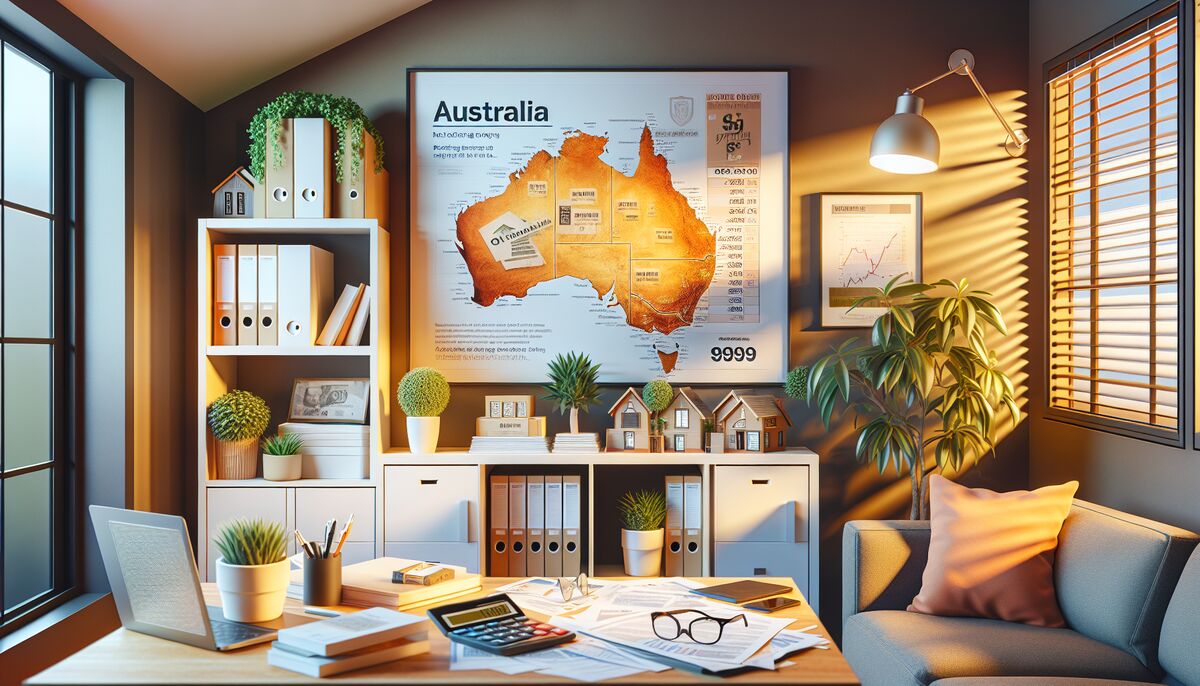
Embarking on the journey to homeownership in Australia is both exciting and daunting, especially for first home buyers. The first and most crucial step in this journey is setting a realistic budget. This foundational step determines what you can afford and shapes the entire home-buying process, including the type and location of properties you consider. In this guide, we'll walk you through the process of setting a budget, offering practical advice and highlighting common mistakes to avoid. Let Esteb and Co guide you towards securing your first home with confidence.
In This Article
Understanding Your Financial Situation
Before you can set a budget, it's essential to have a clear understanding of your financial situation. This involves calculating your income, expenses, and any outstanding debts. Creating a detailed monthly budget will help you determine how much you can realistically save for a deposit and afford in mortgage repayments.Calculate Your Income
Begin by calculating your total household income. This includes salaries, bonuses, rental income, and any government payments you may receive. Ensure you account for net income, as this is what you'll use for your expenses and savings.Assess Your Expenses
List all your monthly expenses, including rent, utilities, groceries, transport, and any discretionary spending. Be honest and thorough; underestimating expenses is a common mistake that can lead to budget shortfalls.Evaluate Debts and Liabilities
Take stock of any debts, such as credit card balances, personal loans, or car loans. Lenders will consider these when assessing your borrowing capacity, so it's essential to have a clear picture of your liabilities.Determining How Much You Can Borrow
Once you have a handle on your financial situation, the next step is to understand how much you can borrow. This involves considering your deposit, borrowing capacity, and additional costs like stamp duty and lenders mortgage insurance (LMI).Saving for a Deposit
In Australia, a minimum deposit of 5% to 20% of the property's purchase price is typically required. However, aiming for a higher deposit can save you on LMI and give you better loan terms. Consider using government schemes like the First Home Owner Grant (FHOG) to bolster your savings.Calculating Borrowing Capacity
Lenders use your income, expenses, and credit history to determine how much you can borrow. Generally, they will offer up to 80% to 95% of the property's value. Use online mortgage calculators to get a rough estimate, but remember these are only guides.Factoring in Additional Costs
Don't forget to budget for additional costs such as stamp duty, which varies by state, legal fees, and moving expenses. These can significantly impact your overall budget and borrowing capacity.Practical Tips for Setting a Budget
- Start Saving Early: The earlier you start saving, the easier it becomes to amass a suitable deposit.
- Cut Unnecessary Expenses: Review your expenses and cut back on non-essential spending to boost your savings.
- Build a Safety Net: Ensure you have an emergency fund to cover unexpected costs, so you're not stretching your budget too thin.
- Consider Future Changes: Account for potential future changes such as family expansion or career shifts that can affect your financial situation.
Common Mistakes to Avoid
- Underestimating Costs: Many first home buyers underestimate the total cost of buying a home. Ensure you factor in all possible costs.
- Overcommitting Financially: Avoid stretching your budget to the maximum borrowing limit. Leave room for interest rate increases and personal expenses.
- Ignoring Government Assistance: Don't overlook government grants and schemes that can aid first home buyers.
How Esteb and Co Can Help
At Esteb and Co, we understand the unique challenges first home buyers face. Our experienced mortgage brokers can provide personalised advice tailored to your financial situation. We help you explore all your options, including government grants and the best loan products, ensuring you embark on your home-buying journey with confidence.Frequently Asked Questions
Q: How much deposit do I need for a first home in Australia?
A: Typically, a deposit of 5% to 20% of the home's purchase price is required, but aiming for a higher deposit can offer better terms.
Q: What is the First Home Owner Grant?
A: The FHOG is a government initiative that provides financial assistance to eligible first home buyers to help with the cost of purchasing or building a new home.
Q: How can I improve my borrowing capacity?
A: Improving your borrowing capacity can involve paying off existing debts, increasing your deposit savings, and maintaining a good credit score.
Q: Are there any first home buyer schemes available?
A: Yes, schemes such as the First Home Loan Deposit Scheme and the First Home Owner Grant can provide financial assistance to eligible buyers.
Q: What are the hidden costs of buying a home?
A: Hidden costs can include stamp duty, legal fees, inspection fees, and moving costs. It's crucial to budget for these to avoid financial strain.
Related Articles
Find Out What You Qualify For
Compare rates from 83+ lenders in just 2 minutes.
No credit check • No obligation • 100% free
Check Your Options Now →Prefer to talk? Call 0424 406 977
With direct experience helping Australians secure home loans, car finance, and business funding, Ricky founded Esteb and Co to bring transparency and technology to mortgage broking.